Do you wear shoes on or off inside?
When you see a pile of shoes at the door, do you slip yours off too or hesitate, half-balanced, wondering if you can get away with keeping them on?
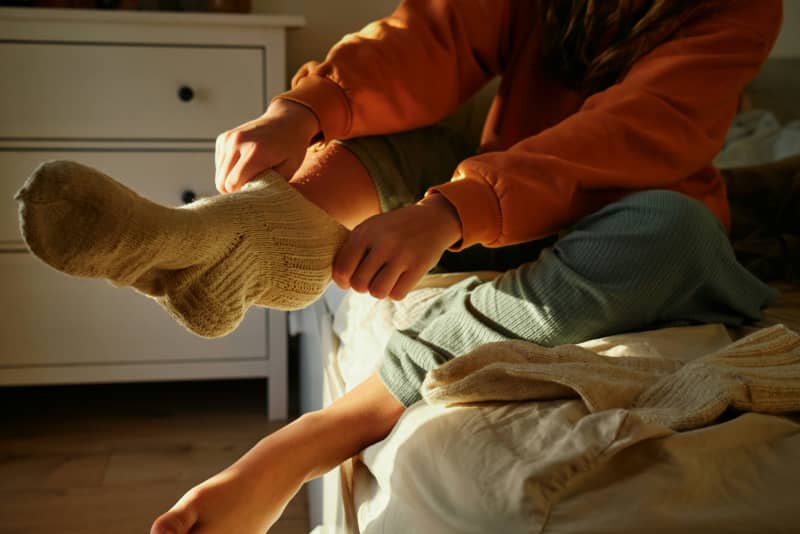
Across Aotearoa, our indoor shoe etiquette is shaped by culture, faith, upbringing and our own ideas about cleanliness.
Guna Magesan, president of the Hindu Council, says that even if a host tells his whānau shoes are fine inside, they’ll usually remove them anyway. For him, it's about respect, cultural values, discipline and cleanliness.
It's a habit of daily life which he says most Hindus, especially those from rural or traditional backgrounds, have become accustomed to, he told RNZ in an email. Even while living abroad, it's become a tradition passed down through generations, he says.
Plus, Hindus often have a prayer area or shrine in their own homes, so wearing shoes inside can be viewed as disrespectful to that sacredness, he says.
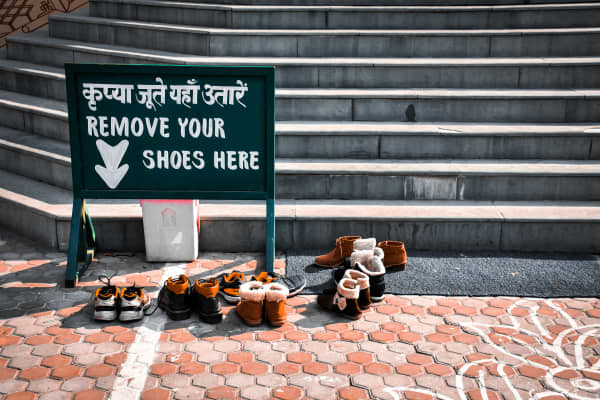
Most Hindus would take their shoes off indoors, according to Guna Magesan, president of the Hindu Council in New Zealand. (File image)
Unsplash / Shail Sharma
It is a policy that can stretch beyond homes too. I remember being required to take shoes off at the school library – and that survives in some pockets of the country.
Take Kapiti Coast’s Paraparaumu Beach School, for example. Because the students often come in from muddy fields and sandpits and sit on the carpets indoors, they have a no-shoes indoor policy during winter terms. Instead, students are encouraged to bring slippers. (Side note: there’s also been some interesting research in England on the potential behavioural effects of being shoeless in classrooms.)

Going in classrooms with muddy shoes is a big no-no for some schools. (file image)
Unsplash / Curated Lifestyle
The science backs up the cleanliness aspect too. Two Australian environmental chemists analysed more than 2200 indoor dust samples from 35 countries, including New Zealand, for potentially toxic metals in 2021. They argued there's a strong connection between lead inside homes and yard soil, and therefore preventing soil from entering the home is key to reducing exposure.
While some may retort that some dirt can be beneficial to build your immune system and reduce allergy risk, co-authors Mark Patrick Taylor and Gabriel Filippelli write "there are better and less gross ways to do that than walking around inside with your filthy shoes on".
In fact, you could instead be introducing bacterial risks to crawling children with developing immune systems or pets that are licking their paws, according to medical microbiology expert Manal Mohammed, at University of Westminster. She has reviewed various research on the kinds of bacteria picked up by shoes, including coliform (found in poo), E. coli and Clostridium difficile.
For many communities, hygiene is a big reason but there are cultural and faith factors too. Shoes are removed in mosques and Buddhist temples, in homes across Asia — perhaps most famously in Japan — and, closer to home, in marae, some kura and whare tīpuna too.
Te Kahautu Maxwell, a senior academic at University of Waikato, says keeping a wharenui or whare tīpuna clean is fundamental, because people often sleep on the floor in these spaces. But also because they are regarded as ancestors themselves. Respect extends not only to the physical structure, but to the carvings, the tūpuna they represent, and the whakapapa they embody.
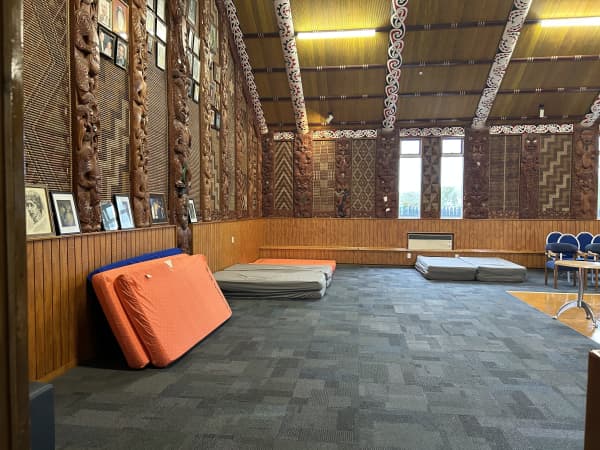
Marae can be used as sleeping quarters so keeping them clean is important.
RNZ / Mark Papalii
Inside, the whare is the domain of Rongo-mā-Tāne, atua of peace, while the marae ātea (courtyard) belongs to Tūmatauenga, he says. So removing shoes is one way of honouring the peace and sanctity associated with that space.
But when it comes to personal whare, as with most tikanga, it becomes fluid and largely dependent on the individual’s preferences, norms and context, he says. For example, visiting his mum's place in Ōpōtiki, it's always shoes off, "otherwise you’re going to get it".
But "if the Māori king was to come into my house and he left his shoes on, [he would not ask to take his shoes off]. If my 90-year-old mother enters my house with her shoes on, well so be it."
"If a tradesman that's just been digging the drain outside comes in because he wants to talk to me, you're going to take your shoes off."
That flexibility can be crucial for workers’ health and safety too. Te Ipu Aronui, a website supporting whānau with Māori end-of-life customs, notes that hospice volunteers or healthcare workers may need to keep shoes on in line with their own safety protocols.
At the end of the day, it's up to you to weigh up the risk of shoes in your personal space and enforce your own tikanga.

