KT Tunstall: 'I was this tomboy playing folk music in a sea of midriff-bearing pop princesses'
Since her 2004 hit 'Suddenly I See', Scottish songwriter KT Tunstall has captured the joy of shaking off shame.

KT (Kate Victoria) Tunstall was a 29-year-old busker when she released her debut album Eye to the Telescope.
Two years later, when the single 'Suddenly I See' featured on The Devil Wears Prada soundtrack and became a global hit, the musician realised she'd tapped into a "ubiquitous feeling".
"I'd written it about wanting to be an artist and stopping this endless trying, wanting, grasping and [instead, saying to myself] 'Do it, you're it, live as if you're it and stop wasting energy on grasping all the time," Tunstall tells RNZ's Saturday Morning.
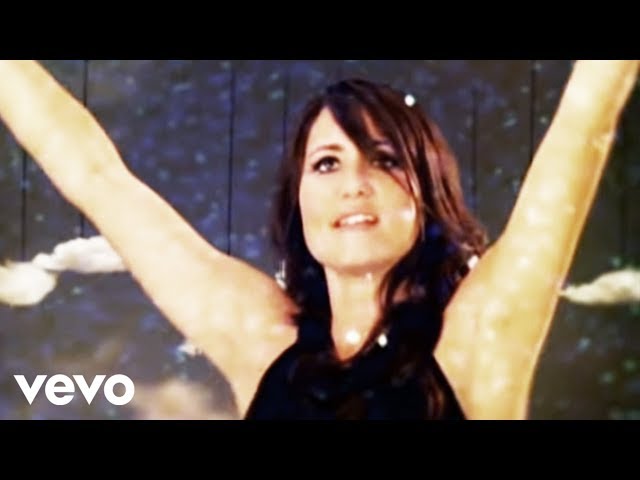
Tunstall got her first break in the UK after the American rapper Nas pulled out of a taping of Later with Jools Holland in 2004.
Accompanied by a guitar, tambourine and the loop pedal she'd mastered via countless performances in coffee shops, bars and pubs, Tunstall stepped in to perform her single 'Black Horse & The Cherry' on the BBC live music show. The powerful performance is still regarded as one of the best in the show's 33-year history.

KT Tunstall's generation defining sound

But the moment that "absolutely" changed her life, Tunstall says, came in 2006 when 'Suddenly I See' was used in the soundtrack of the fashion magazine comedy-drama The Devil Wears Prada.
'Suddenly I See' plays in full throughout the entire opening credits of the film, which is really unusual, she says.
"It's basically a music video with Meryl Streep and Anne Hathaway... Then the movie goes on to be a global modern classic hit, which still gets played on every flight and in every hotel room."

KT Tunstall in 2006 - the year her song 'Suddenly I See' featured in the film The Devil Wears Prada.
SCOTT GRIES / Getty Images North America
This connection with a cultural phenomenon like The Devil Wears Prada was what made 'Suddenly I See' - which Hillary Clinton used the song in her presidential campaign - go "multi-platinum massive", Tunstall says.
It also snuck into public consciousness just before digitisation changed the industry forever.
"I feel extremely lucky that I was at the tail end of this old-fashioned music business where people bought records, and everyone got into one thing at the same time… For over 20 years now, she's been getting off planes in new places, and people know the words."
After the runaway success of Eye to the Telescope, Tunstall admits it was "really difficult" approaching her follow-up album Drastic Fantastic (2007).

KT Tunstall in 2007 - the year she released her "difficult" second album Drastic Fantastic.
Public domain / CC By 2.0
To emulate the success of her debut, her record label wanted more of the same the second time around, including Tunstall's "girl-next-door" look of jeans and T-shirts from three years earlier.
"In a sea of midriff-bearing pop princesses, I was this tomboy playing folk music. That's what made me different. But I was never going to stay the same. I was always going to keep changing."
Eye to the Telescope was a tribute to "female power", Tunstall has said, and nine years ago, the musician left Edinburgh for a place where she says the music industry is better at celebrating that - Los Angeles.
"There's so many great examples of older female musicians absolutely killing it in America and respected and huge and popular. And there really isn't that in the UK."

KT Tunstall's eighth studio album, Face to Face with Suzi Quatro (2023), is her most recent.
supplied
Six years ago, Tunstall, who was adopted as a child, experienced a "massive life-changer" when she met her two biological sisters via the TV programme Long Lost Family.
Now 50, she understands that even the most difficult of challenges - such as suddenly losing hearing in her left ear in 2018 - can enrich the music.
"As you get older, it feels very fulfilling and kind of magical that transmutation of your pain into a song can actually help with other people's pain as well.
"There's just such an alchemy to songwriting where you literally can turn shit into gold."
